



Altre lezioni del tutor
Lezioni popolari
Altro

- Russo
The Russian Prepositional Case, and Going Places
In this lesson we will introduce the prepositional case. It will also attempt to expand your vocabulary to include a number of places. The prepositional case is one of the easiest Russian cases to learn. It is also one of the most useful. It will allow you to expand your use of Russian phrases to include useful phrases like “I live in Russia”. The prepositional case has no meaning of it’s own. It is simply used after certain Russian prepositions. Afterwards we will introduce you to the Russian words for ‘to go’. The prepositional case is used after the prepositions “в” (in), “на” (on/at), “о” (about).

- Russo
Russian Names
Welcome to the lesson about Russian names! We will investigate Russian names, their origin and usage. The three-part form of modern Russian names consists of a first name, patronymic and surname . It first appeared in the 10th century but became normal during the reign of Tzar Peter I.
- Russo
- Russo
Russian Alphabet
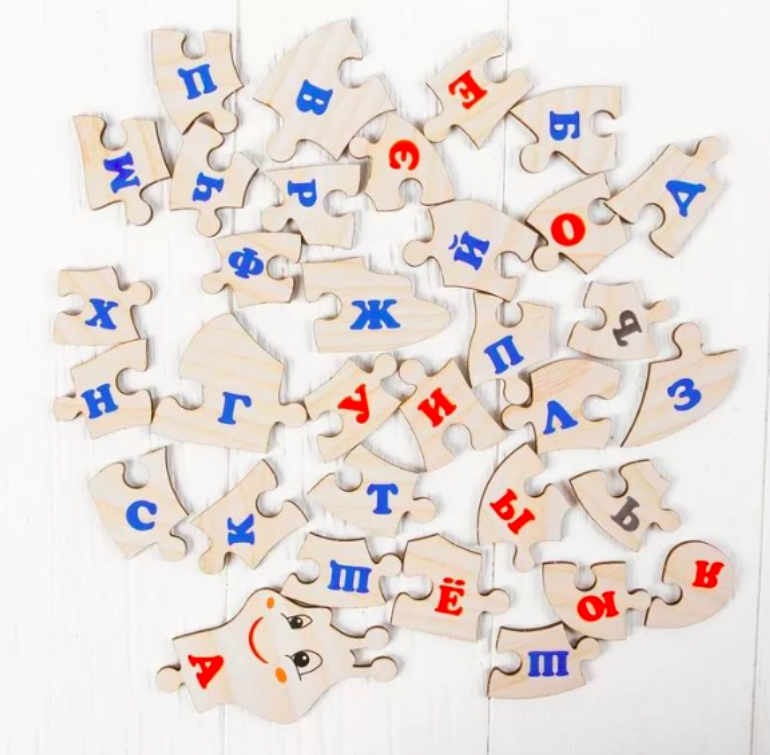
The Russian alphabet is easy to learn! Learning the alphabet is the first step to learning the Russian language. Even if you don't plan to learn the language, knowing the alphabet is great for travelling because you can read all the street and shop signs. It may seem daunting to learn a new alphabet, but it is relatively easy. In fact, the great thing about Russian is that almost all words can be sounded out as they are written.

- Russo
Gender and the Russian Case System.
In this lesson we will introduce some of the Russian grammar that is associated with nouns. This is the second lesson in a row that will deal with a lot of the Russian grammar, but afterwards you will start to see a little less, as we concentrate more on Russian phrases and vocabulary in the following lessons. This lesson will introduce two concepts: Gender of nouns, and cases. Specifically the accusative case.Other cases will be introduced through-out later lessons.


- Russo
Family
In our next Russian lesson will introduce words and phrases associated with families. This will allow you to talk about your family, which is a very popular topic of conversation in Russia. One of the important concepts that we will introduce in this lesson is possessive pronouns. Possesive pronouns are words such as: my, your, his, her, and our. Personal pronouns are normally used to indicate the ownership of an object. The other method to indicate ownership is to use the genative case.

- Russo
Род имён существительных
Цель: познакомить с грамматическим признаком имён существительных – родом; создать условия для усвоения способа определения рода имени существительного через алгоритмизацию деятельности учащихся.
OnClass protegge i dati personali degli utenti ed elabora i cookie solo per personalizzare i servizi. Puoi disattivare l'elaborazione dei cookie nelle impostazioni del tuo browser. Leggi la Termini per il trattamento dei dati personali e i Cookie.