


- Italiano
italian basic
in this lesson you will know how to greet people, alphabet and basic reading rules
- Teoria
- Principiante
 italiano

in this lesson you will know how to greet people, alphabet and basic reading rules
italiano
In our next Russian lesson will introduce words and phrases associated with families. This will allow you to talk about your family, which is a very popular topic of conversation in Russia. One of the important concepts that we will introduce in this lesson is possessive pronouns. Possesive pronouns are words such as: my, your, his, her, and our. Personal pronouns are normally used to indicate the ownership of an object. The other method to indicate ownership is to use the genative case.
Russo

In this class we will revise jobs and articles
inglese

Listening for KET - all parts included
inglese
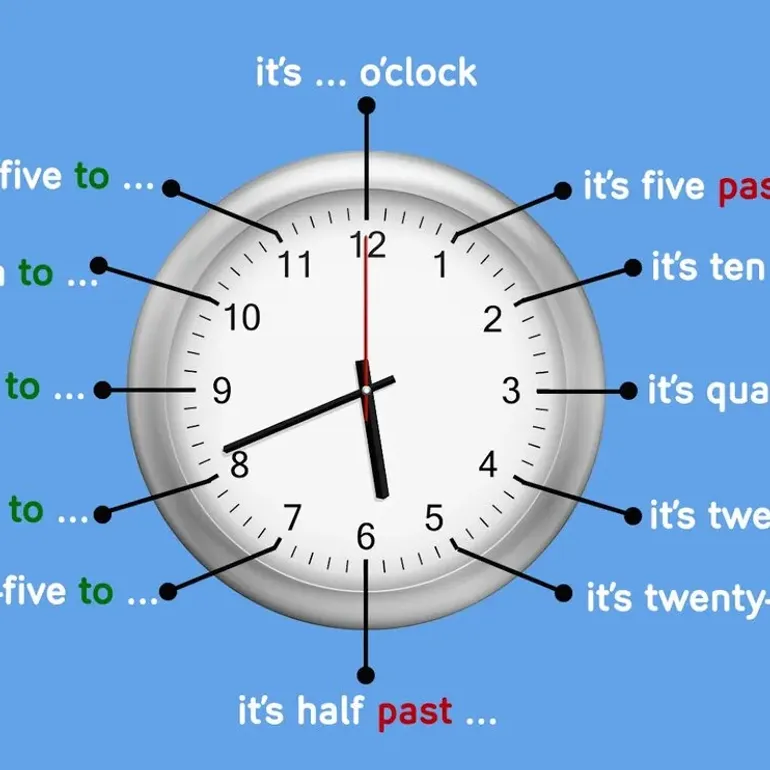
This lesson helps learners understand how to ask for and tell the time in English. Students will learn key expressions such as o’clock, half past, quarter past/to, and how to use a.m. and p.m. They will also practice common questions and answers: “What time is it? – It’s …” and “When does it start? – At …”.
inglese
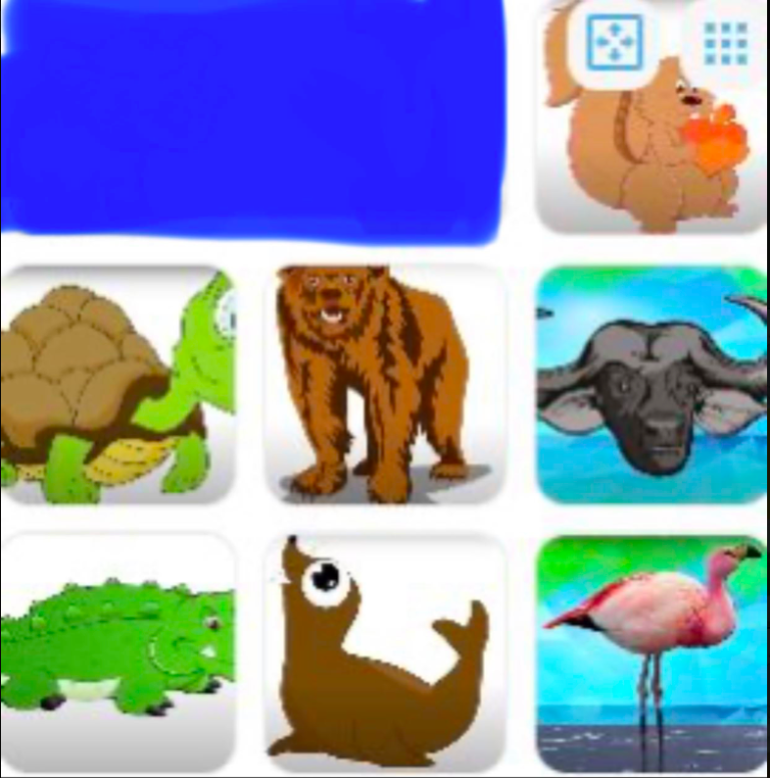
wild animals and what's missing
inglese
FCE grammar + listening+ reported speech + passive voice
inglese
Capitals of UK Capitals of UK Capitals of UK Capitals of UK
inglese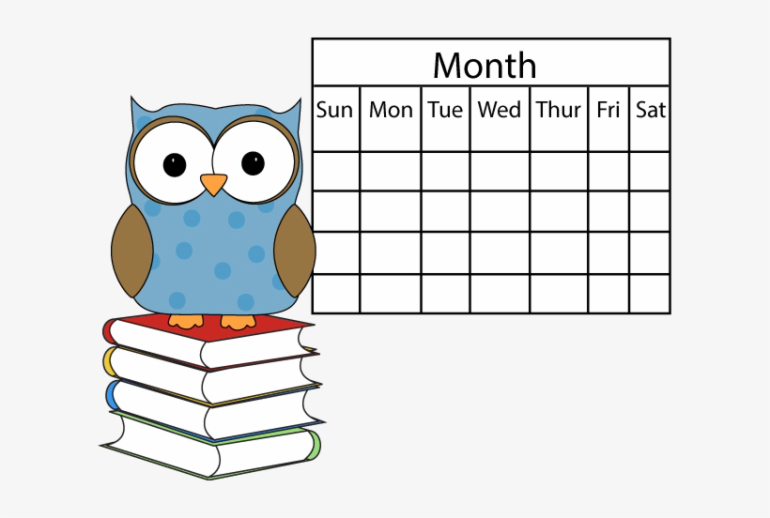
Learn and practice the days of the week.
inglese

Intelligence. What does it mean? The word "intelligence" has two main meanings in English. First, it can mean "mental capacity" – if you are intelligent, you can think clearly and rationally, for example. But "intelligence" also means information. For example, we can talk about "market intelligence" – and that means, information about what is happening in a market, such as the stock market or the international oil market. Very often, we use "intelligence" to mean information which is secret, or which has been obtained illegally.
inglese