


- Inglese
Team work
In this class we will discuss Team work and role play different situations
- Teoria con esercizi
- Intermedio
 inglese

In this class we will discuss Team work and role play different situations
inglesePsycologyPsycologyPsycologyPsycology
ingleseIn this class we will revise Passive voice Past and Present
ingleseIn this class we will discuss hobbies and likes
inglese
In this class we will discuss relocation, tips how to relocate and what to do before it
ingleseIn this class we will discuss street art and Inversion with "only", "neither" and "so"
ingleseIn this class we will revise time, to be and learn new words
inglese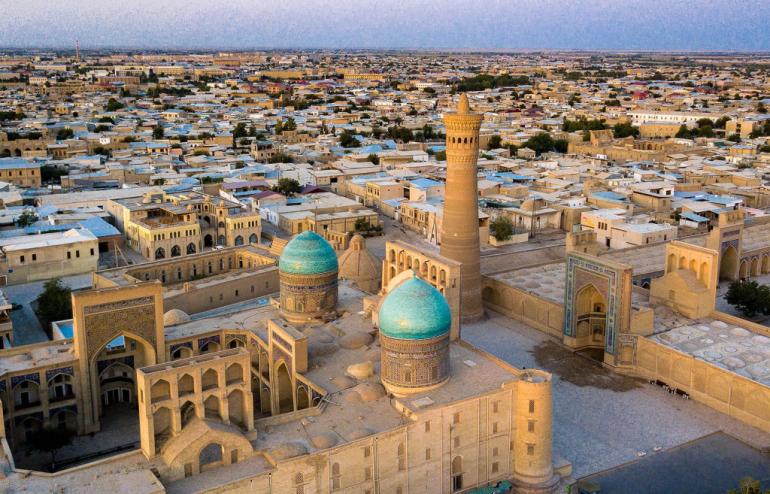
In this class we will discover Uzbekistan and talk about its traditions, food, attractions.
inglese
- numbers 1 and review - toys vocabulary
inglese
Grammar: Determiners both, none, either, neither
inglese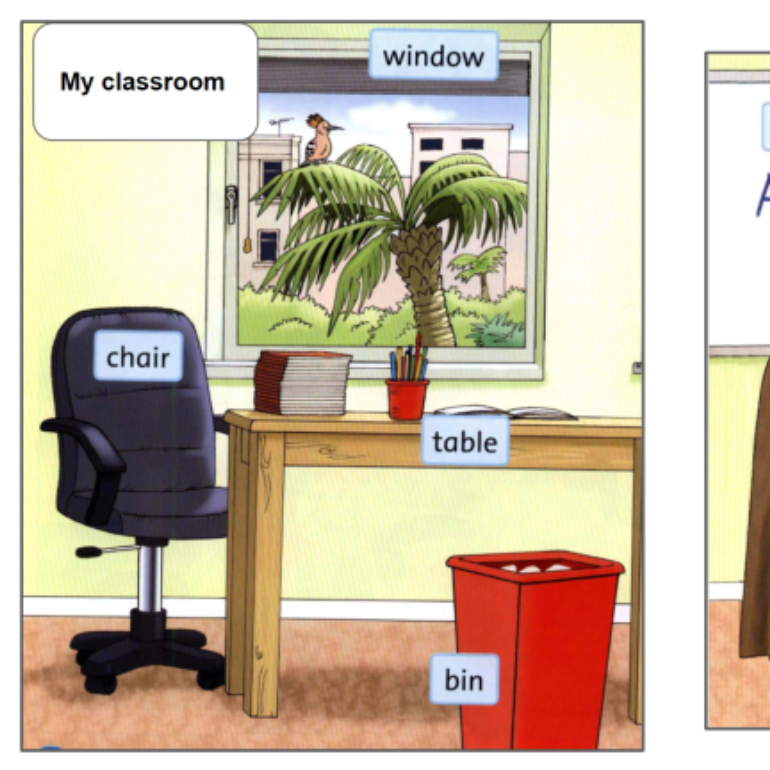
-things in my classroom -review of letters A, B, C, D
inglese
This video will help you to know some interesting facts about English probably you didn't know
inglese

All parts pet test reading, speaking, grammar , listening
inglese
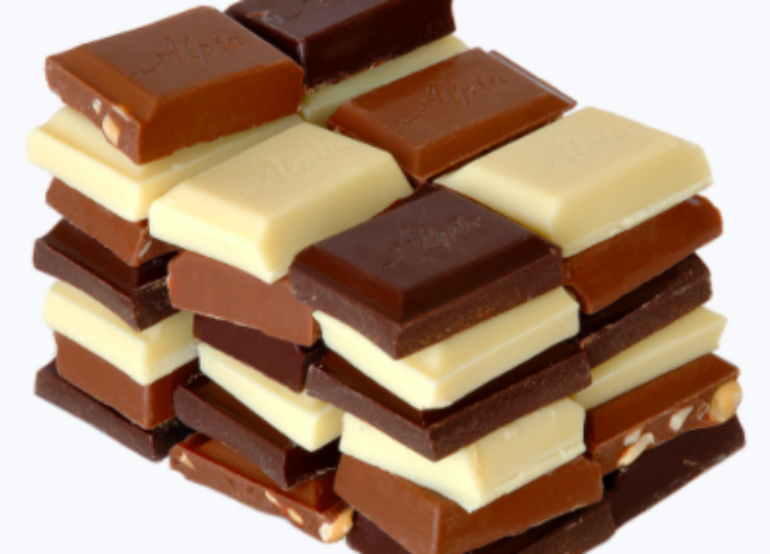
BOB DOUGHTY: I'm Bob Doughty. SHIRLEY GRIFFITH: And I'm Shirley Griffith with EXPLORATIONS in VOA Special English. Today we travel around the world exploring the history of chocolate. Its story begins with a plant whose scientific name, Theobroma cacao, means "food of the gods." For centuries, people have been enjoying the rich flavor of chocolate, a product made from this plant. Join us as we tell about the history of chocolate and how it is produced. We will also meet Jane Morris, a chocolate maker in Washington, DC. (MUSIC) BOB DOUGHTY: Most people today think of chocolate as something sweet to eat or drink than can be easily found in stores around the world. It might surprise you that chocolate was once highly treasured. SHIRLEY GRIFFITH: Historians believe the Maya people of Central America first learned to farm cacao plants around two thousand years ago. The Maya took the cacao trees from the rainforests and grew them in their gardens. They cooked the cacao seeds, then crushed them into a soft paste. They mixed the paste with water and flavorful spices to make an unsweetened chocolate drink. The Maya poured the chocolate drink back and forth between two containers so that the liquid had a layer of bubbles, or foam. Cacao and chocolate were an important part of Maya culture. There are often images of cacao plants on Maya buildings and art objects. Ruling families drank chocolate at special ceremonies. And, even poorer members of society could enjoy the drink once in a while.
inglese
FCE speaking
inglese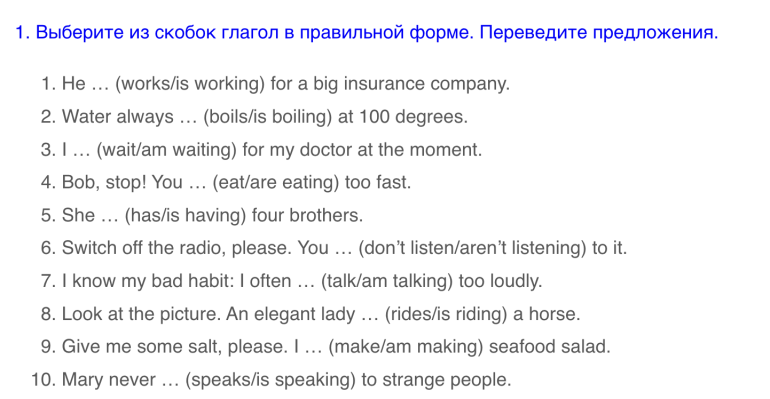
1. I (to do) morning exercises. 2. He (to work) at a factory. 3. She (to sleep) after dinner. 4. We (to work) part-time. 5. They (to drink) tea every day. 6. Mike (to be) a student. 7. Helen (to have) a car. 8. You (to be) a good friend. 9. You (to be) good friends. 10. It (to be) difficult to remember everything.
inglese
000
inglese
Poses for photographers and vocabulary
inglese
Friendship speaking class for A2 level
inglese
2nd lesson GLOW marathon USA topic
inglese