


- Inglese
Revision lesson 2
Revision lesson 2 modal verbs and adj
- Teoria con esercizi
- Elementare
 inglese

Revision lesson 2 modal verbs and adj
ingleseIn this lesson we will learn Management in company and grammar - countable/uncountable words
ingleseIn this class we will talk about materials and Present passive voice
ingleseIn this class we will discuss life coaching and revise all tenses
inglese
In this lesson we will discuss First World Problem phrase and meaning of that. Also we will learn mixed conditional and practice it with different exercises.
inglese
In this class we will revise how to introduce yourself and the verb to be + present simple
inglese
In this lesson we will revise modal verbs
inglese
In this lesson we will discuss conspiracy theories and have speaking tasks. We wil revise zero, first and second conditionals, see how to differ them.
ingleseIn this class we will discuss presentations
inglese
This class is about digital nomads and remote work. Also in this lesson we will discuss modal verbs and see how to use them. We will also have some speaking practice.
inglese
Capitals of UK Capitals of UK Capitals of UK Capitals of UK
inglese

In our next Russian lesson will introduce words and phrases associated with families. This will allow you to talk about your family, which is a very popular topic of conversation in Russia. One of the important concepts that we will introduce in this lesson is possessive pronouns. Possesive pronouns are words such as: my, your, his, her, and our. Personal pronouns are normally used to indicate the ownership of an object. The other method to indicate ownership is to use the genative case.
Russo

Listening for KET - all parts included
inglese
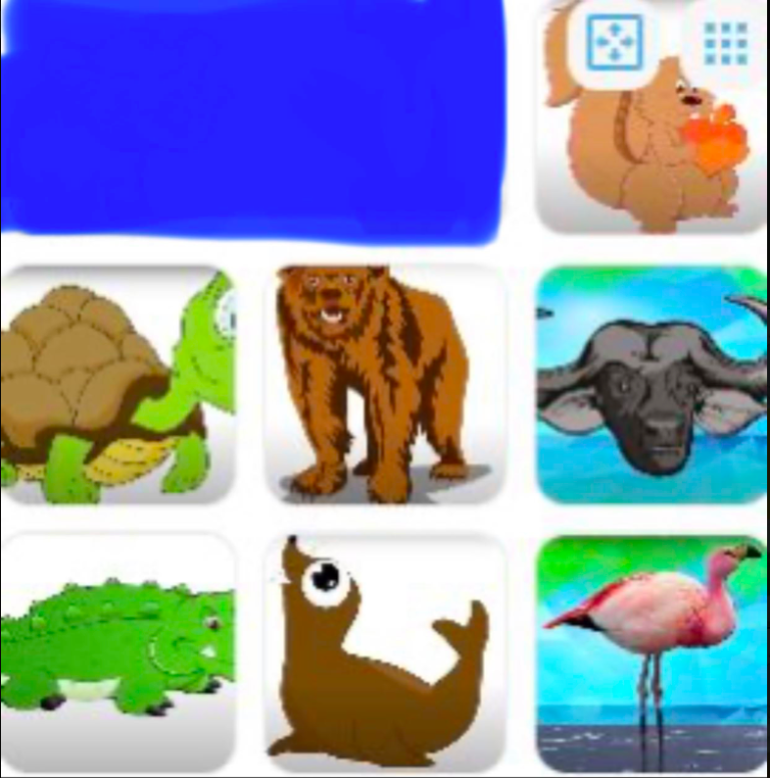
wild animals and what's missing
inglese

Intelligence. What does it mean? The word "intelligence" has two main meanings in English. First, it can mean "mental capacity" – if you are intelligent, you can think clearly and rationally, for example. But "intelligence" also means information. For example, we can talk about "market intelligence" – and that means, information about what is happening in a market, such as the stock market or the international oil market. Very often, we use "intelligence" to mean information which is secret, or which has been obtained illegally.
inglese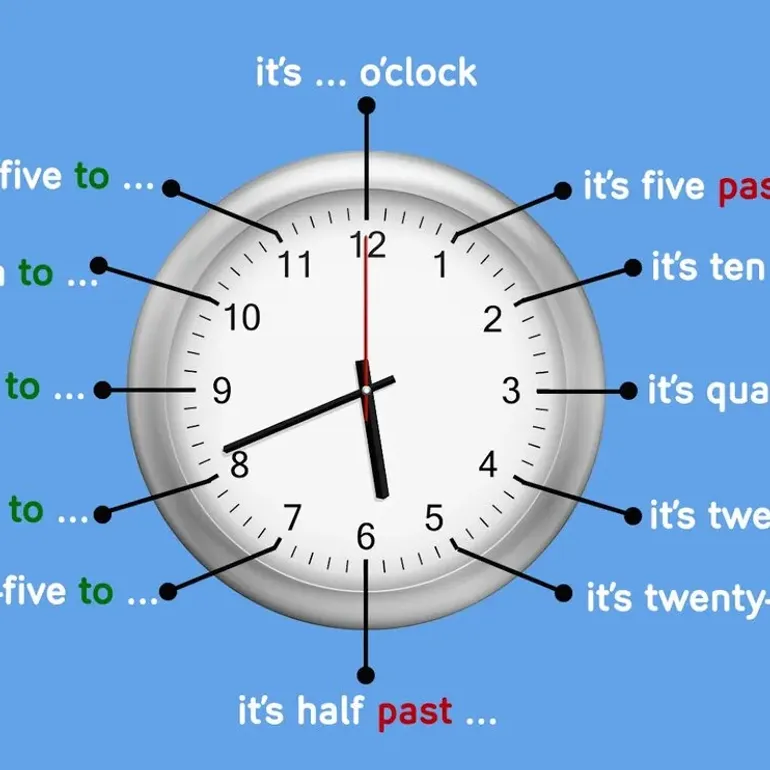
This lesson helps learners understand how to ask for and tell the time in English. Students will learn key expressions such as o’clock, half past, quarter past/to, and how to use a.m. and p.m. They will also practice common questions and answers: “What time is it? – It’s …” and “When does it start? – At …”.
inglese
in this lesson you will know how to greet people, alphabet and basic reading rules
italiano

English is full of look-alike and sound-alike words that easily trip up even confident speakers and writers. This lesson breaks down two frequently confused pairs: disassemble vs. dissemble and envelop vs. envelope. By exploring their origin, exact definitions, and silent letter differences, you'll learn how a single letter or syllable completely changes a word from a physical action into a cover, or from a lie into taking something apart. Perfect for refining your writing accuracy and vocabulary precision.
inglese
Glow marathon day about Harry Potter films
inglese
How to build your own start up? Spoken lesson about building start up
inglese