IT
How does Onclass work? Support Online now: 505

NorwegianForeign language / Lessons

Nothing found.We couldn’t find any matching results. Try adjusting your keywords or browsing by category.

Lessons in other subjects

0
27
Exploring the history and industry of chocolate.
  • English

Exploring the history and industry of chocolate.

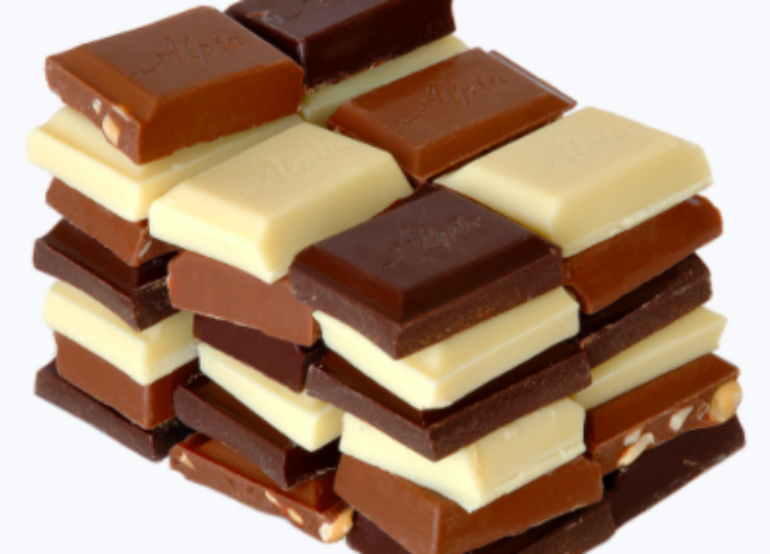
BOB DOUGHTY: I'm Bob Doughty. SHIRLEY GRIFFITH: And I'm Shirley Griffith with EXPLORATIONS in VOA Special English. Today we travel around the world exploring the history of chocolate. Its story begins with a plant whose scientific name, Theobroma cacao, means "food of the gods." For centuries, people have been enjoying the rich flavor of chocolate, a product made from this plant. Join us as we tell about the history of chocolate and how it is produced. We will also meet Jane Morris, a chocolate maker in Washington, DC. (MUSIC) BOB DOUGHTY: Most people today think of chocolate as something sweet to eat or drink than can be easily found in stores around the world. It might surprise you that chocolate was once highly treasured. SHIRLEY GRIFFITH: Historians believe the Maya people of Central America first learned to farm cacao plants around two thousand years ago. The Maya took the cacao trees from the rainforests and grew them in their gardens. They cooked the cacao seeds, then crushed them into a soft paste. They mixed the paste with water and flavorful spices to make an unsweetened chocolate drink. The Maya poured the chocolate drink back and forth between two containers so that the liquid had a layer of bubbles, or foam. Cacao and chocolate were an important part of Maya culture. There are often images of cacao plants on Maya buildings and art objects. Ruling families drank chocolate at special ceremonies. And, even poorer members of society could enjoy the drink once in a while.

  • Podcast
  • Intermediate
  • English
Eugeniia Klimutina
Eugeniia Klimutina
0
27
Champions Hockey League
  • English

Champions Hockey League

Champions Hockey League The three leagues - the Ontario Hockey League, the Quebec Major Junior Hockey League and the Western Hockey League - include 60 clubs from nine Canadian provinces and five U.S. states.

  • Theory with exercises
  • Beginner
  • English
Anna Snim
Anna Snim
0
27
First friends
  • English

First friends

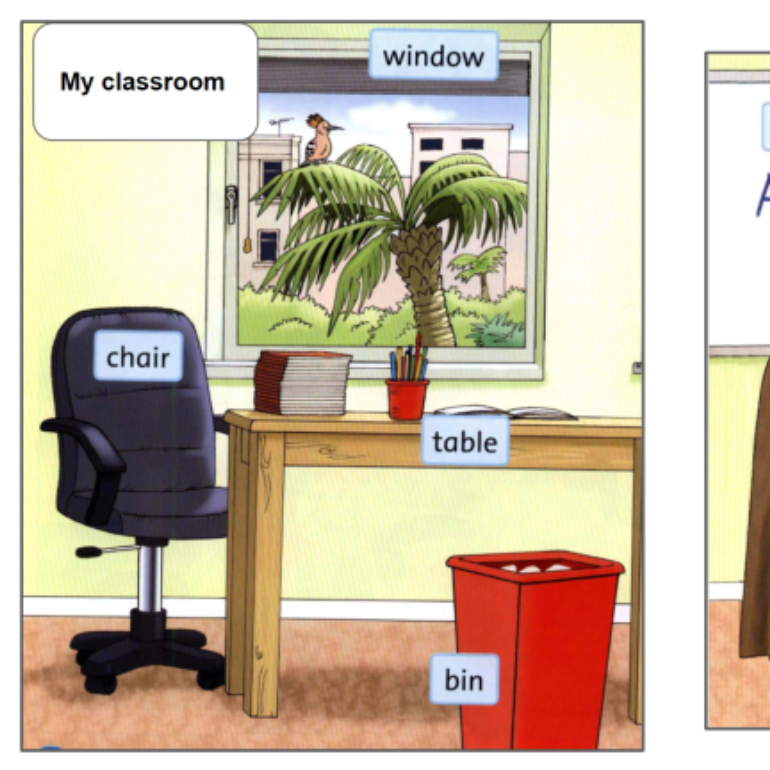
-things in my classroom -review of letters A, B, C, D

  • Theory
  • Beginner
  • English
Elizaveta Grishkova
Elizaveta Grishkova
0
26
Missing the Bus
  • English

Missing the Bus

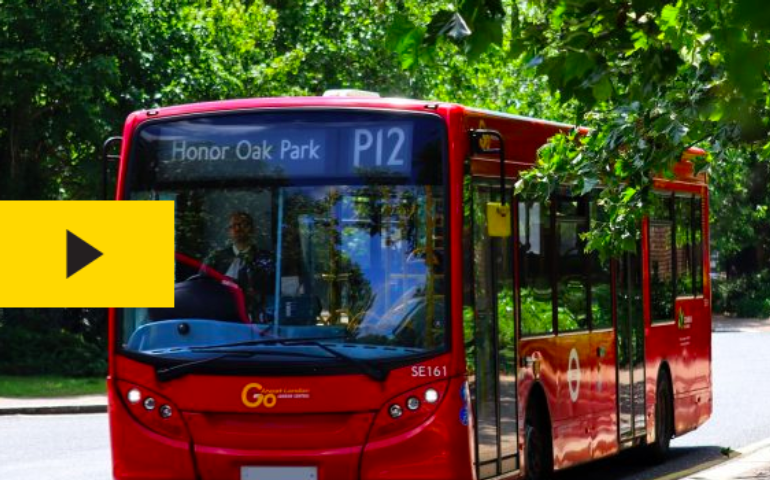
If you heard that there was a piece of technology that could do away with traffic jams, make cities more equitable, and help us solve climate change, you might think about driverless cars, or hyperloops or any of the other new transportation technologies that get lots of hype these days. But there is a much older, much less sexy piece of machinery that could be the key to making our cities more sustainable, more liveable, and more fair: the humble bus. Steven Higashide is a transit expert, bus champion, and author of a new book called Better Buses Better Cities. And the central thesis of the book is that buses have the power to remake our cities for the better. But he says that if we want the bus to reach its potential, we’re going to have to make the experience riding one, a lot more pleasant.

  • Podcast
  • Upper Intermediate
  • English
Eugeniia Klimutina
Eugeniia Klimutina
0
26
Travel on light
  • English

Travel on light

In this lesson, we'll talk about different tips and tricks on how to take less luggage on a trip. What helps you decide which clothes to pack? Where should you put expensive things? We'll also revise the Passive Voice, countable and uncountable nouns and the vocabulary to talk about minimalism, everyday things and materials.

  • Theory with exercises
  • Intermediate
  • English
Darina Gribanova
Darina Gribanova