


- English
Travelling
In this lesson we will discuss travelling, know more about Brazil and learn Present Simple tense
- Theory with exercises
- Pre-Intermediate
 English

In this lesson we will discuss travelling, know more about Brazil and learn Present Simple tense
English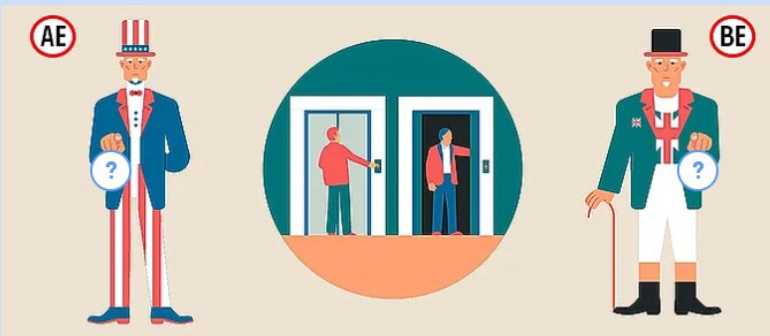
In this class we will see the difference between British English and American English, we will spell different words and phrases and practice speaking skills.
English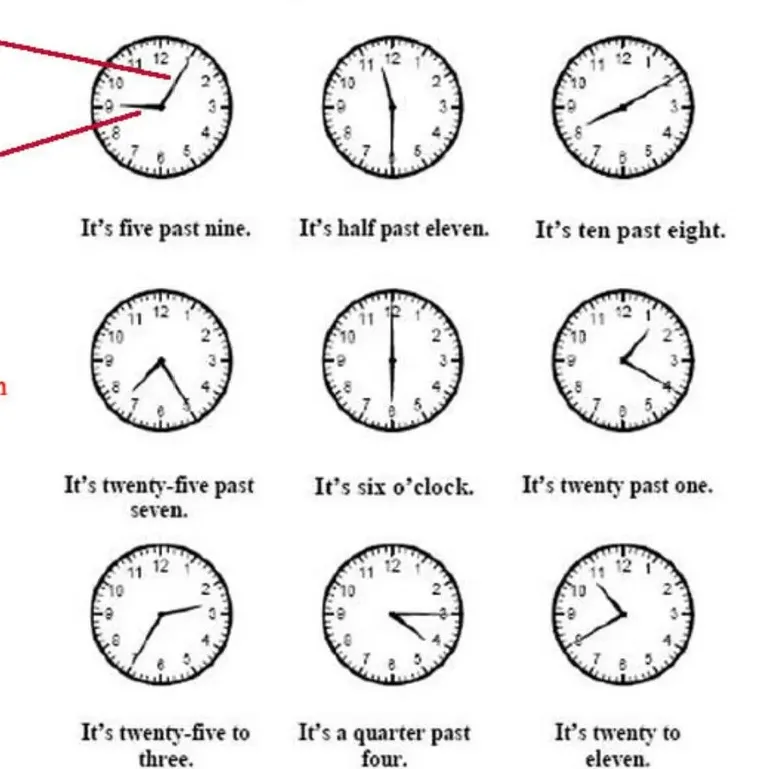
This lesson helps learners understand how to ask for and tell the time in English. Students will learn key expressions such as o’clock, half past, quarter past/to, and how to use a.m. and p.m. They will also practice common questions and answers: “What time is it? – It’s …” and “When does it start? – At …”. The lesson includes: Vocabulary and numbers 1–59 Different ways of telling the time (analog & digital clocks) Using past / to for minutes Expressions with in the morning/afternoon/evening, at night Daily routine activities with time references Activities involve dialogues, matching clocks with the correct time, and role plays to practice schedules and appointments. By the end of the lesson, learners will be able to confidently tell and ask the time in English.
English
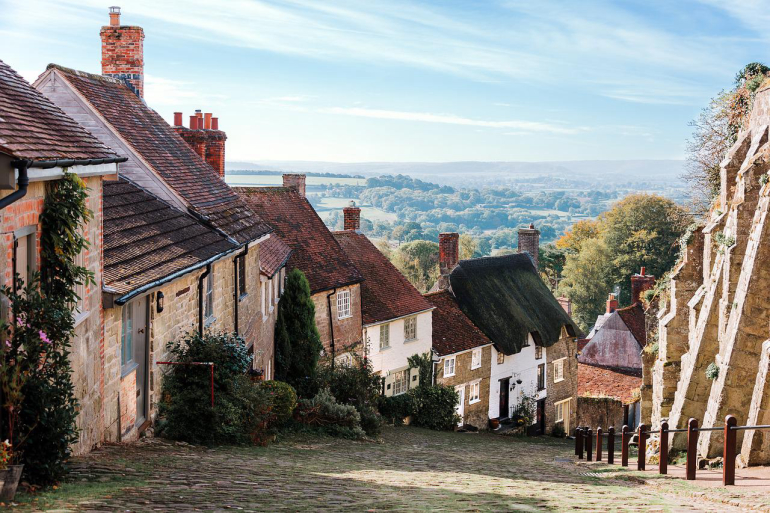
In this class we will discuss the topic of travelling, learn new vocabulary like transport and other. Also we will revise comparative and superlative adjectives.
English
Friendship speaking class for A2 level
English
Capitals of UK Capitals of UK Capitals of UK Capitals of UK
English
Poses for photographers and vocabulary
English

In this lesson, you will learn about alternative ways of keeping fit. You'll get to know some words and expressions on the topic of physical activities. Also, you will learn about the usage of stative verbs in English.
English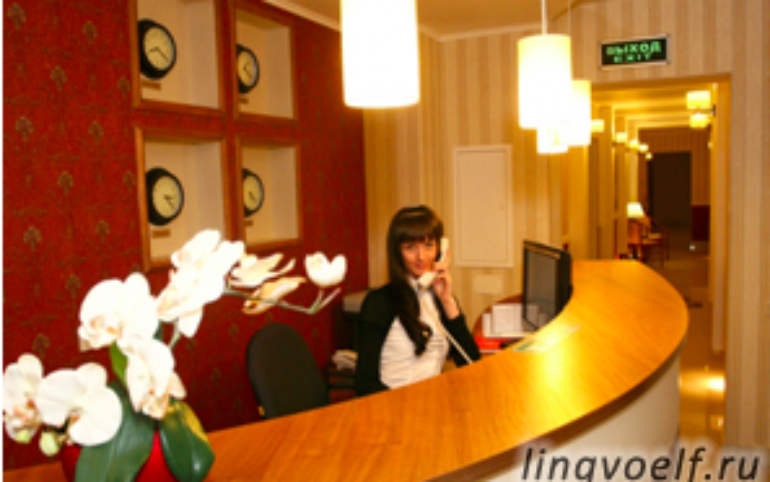
Hotel Reservations: Checking In on Essential English" is your practical guide to navigating hotel bookings with confidence. Learn the key phrases, vocabulary, and etiquette needed to request room types, negotiate check-in times, ask about amenities, and handle unexpected issues smoothly during your stay.
English

In our next Russian lesson will introduce words and phrases associated with families. This will allow you to talk about your family, which is a very popular topic of conversation in Russia. One of the important concepts that we will introduce in this lesson is possessive pronouns. Possesive pronouns are words such as: my, your, his, her, and our. Personal pronouns are normally used to indicate the ownership of an object. The other method to indicate ownership is to use the genative case.
Russian