IT
How does Onclass work? Support Online now: 752

PhilippineForeign language / Lessons

Nothing found.We couldn’t find any matching results. Try adjusting your keywords or browsing by category.

Lessons in other subjects

0
21
shopping
  • English

shopping

To join a queue – Встать в очередь To try something on – Примерить что- то To be in or out of fashion – Быть в моде или выйти из моды Sky-high prices – Заоблачные, высокие цены Fit somebody – Идеально подходить по размеру Glamorous – очаровательный Good-looking – красивый Gorgeous – великолепный

  • Theory with exercises
  • Elementary
  • English
Anna Snim
Anna Snim
0
21
Basic Russian Phrases
  • Russian

Basic Russian Phrases

Now that you understand the Russian letters and numbers, we will begin to learn some basic Russian phrases that you will commonly use as part of everyday communication. We will not attempt to introduce any grammar in this lesson. It is more important to learn some basic communication skills in Russian. Once you have a 'feel' for the language, you will find it easier to understand how the grammar works. When you were young, you learnt to speak before you learnt the grammar. We feel it is easier to learn Russian the same way, however don’t worry, we will cover grammar in later lessons. In this lesson you will learn the Russian language basics. When you are in Russia it is important to realise that Russians have two manners of speaking, formal or friendly. It would be considered slightly rude to use the wrong form in the wrong situation. Use the friendly (or familiar) form when you are speaking to someone you consider a friend. In situations where you have never met the person before you would use the formal form, for example in shops or with taxi drivers. You would also use the formal form as a sign of respect to teachers, or in places like business meetings. Keep this in mind as you work through these Russian lessons. This is much easier than it sounds, as there are only a couple of words that change. (Mainly the Russian word for “you”.)

  • Theory
  • Beginner
  • Russian
Eugeniia Klimutina
Eugeniia Klimutina
0
21
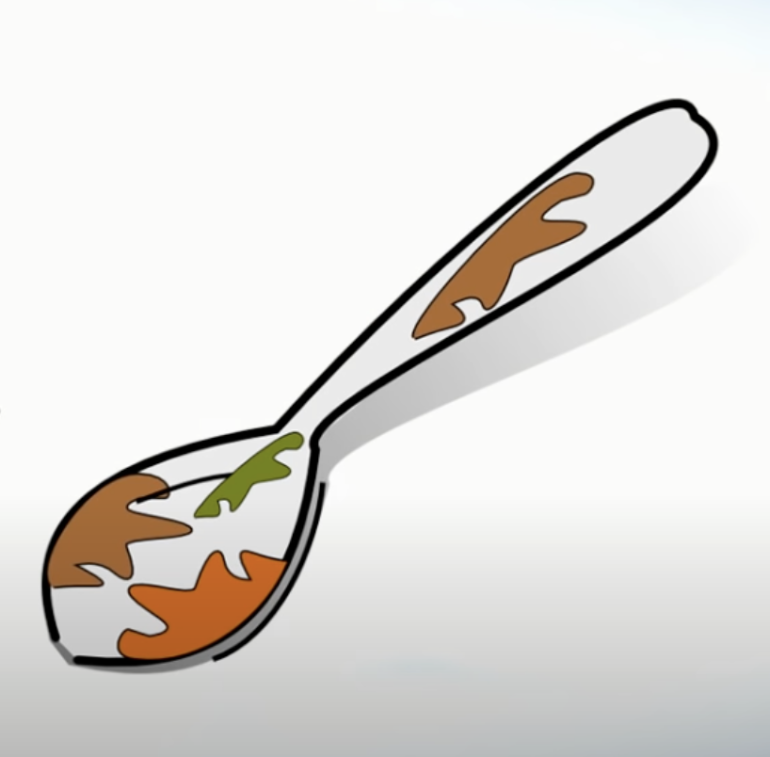
spoon
  • English

spoon

столовые приборы: spoon, jug, glass...

  • Theory with exercises
  • Beginner
  • English
Anna Snim
Anna Snim
0
20
Working conditions
  • English

Working conditions

In this class we will discuss working conditions and modal verbs of obligation

  • Theory with exercises
  • Pre-Intermediate
  • English
Maria  Nekrasova
Maria Nekrasova
0
20
Emotional aid
  • English

Emotional aid

Undoubtedly, you know what first aid is, but have you ever heard of emotional first aid? In this lesson, you will find out why it is crucial to care for mental health, how to recognise if someone is getting through life difficulties, and how to help them to manage their feelings and emotions to get back on track. Also, you will learn how to use a number of modal and non-modal verbs while speculating about getting over distressing situations.

  • Exercise
  • Upper Intermediate
  • English
Darina Gribanova
Darina Gribanova
0
20
Out of School Hours Care
  • English

Out of School Hours Care

Подкаст, продолжительность 11 минут, Как в Австралии решают вопрос где и с кем оставить детей после школы, пока родители работают.

  • Podcast
  • Upper Intermediate
  • English
Анжелика Луговская
Анжелика Луговская
0
20
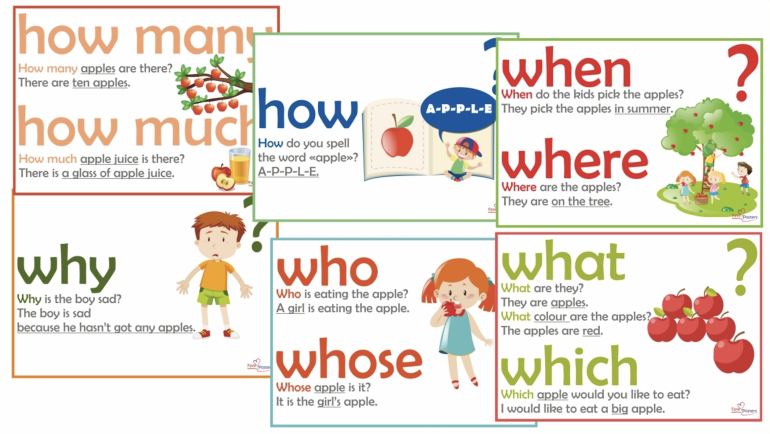
What?  Where?  When? Why?
  • English

What? Where? When? Why?

What? — Что? Where? — Где? When? — Когда? Why? — Почему? Who? — Кто? Which? — Который? Whose? — Чей? Whom? — Кого?

  • Exercise
  • Beginner
  • English
Anna Snim
Anna Snim
0
20
Food
  • English

Food

Food Choosing in the restaurant menu Exercies on present simple

  • Exercise
  • Elementary
  • English
Darina Gribanova
Darina Gribanova