


- English
Vocabulary
Vocabulary for English classes
- Reading
- Elementary
 English

Vocabulary for English classes
English
Today we are talking about different interesting facts about the world and people living in it.
English

In this lesson we will discuss advertising, how it works and see different tricks. Also we will learn grammar topic - gerund or infinitive and see how to use them.
English
Lesson about summer that you used to have as a child and adult life ones. Visit to Montenegro- prics, problems and perks.
English
A boy and his friends find a coin. They make a small hole in it. They then tie a piece of cotton thread through the hole, and take the coin and the thread to the park near their home. They put the coin down on a path where someone walking by will see it, and hide themselves in the bushes nearby. Someone – an old gentleman perhaps – walks by. He sees the coin on the ground and bends down to pick it up. The boys pull the thread and the coin jumps away out of reach. With any luck the old gentleman falls over. The boys run off, laughing. My father-in-law says that he did this (and lots of other naughty things!) when he was young. The word MISCHIEF means something which we do for fun and which annoys, teases or makes fun of someone. The boys in my story were UP TO MISCHIEF. "You little monkeys – up to mischief again", the old man might have shouted at them as they ran off. Or he might have said things that I could not possibly repeat on a family podcast like this one. The adjective which comes from mischief is MISCHIEVOUS. The boys in my story were MISCHIEVOUS. And we can also use MISCHIEVOUS to describe the things that they did – a mischievous game, perhaps, or a mischievous thing to do. A joke for you. A priest is walking down the street. He sees a small boy stretching to reach the doorbell on a house. But the doorbell is high up, and the boy is only small, and he cannot stretch far enough. So the priest crosses the road and rings the doorbell for the boy. He looks down and says, "Well, my son, what happens now?" "We run, father".
English

Learning how to cook in English
English
Edward de Bono's Six Thinking Hats approach is a simple way to gain objective perception of information in all areas. Putting on a hat of a certain color, a person plays a certain role that corresponds to it, looks at the problem from a certain point of view. There are six hats: white, yellow, red, black, green and blue.
English
parts of the face. exercises and theory
English
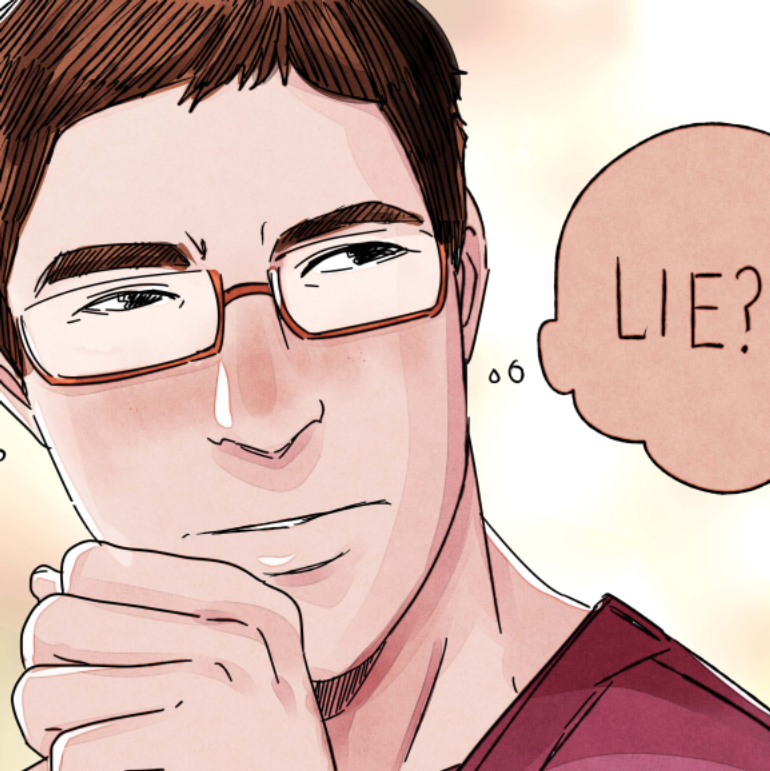
In this class we will discuss the problems of white lies, lies idicators and how to understand if a preson lies to you. Also we will have a look at the grammar topic "Reported speech, questions".
English
Business Vocabulary for classes
English